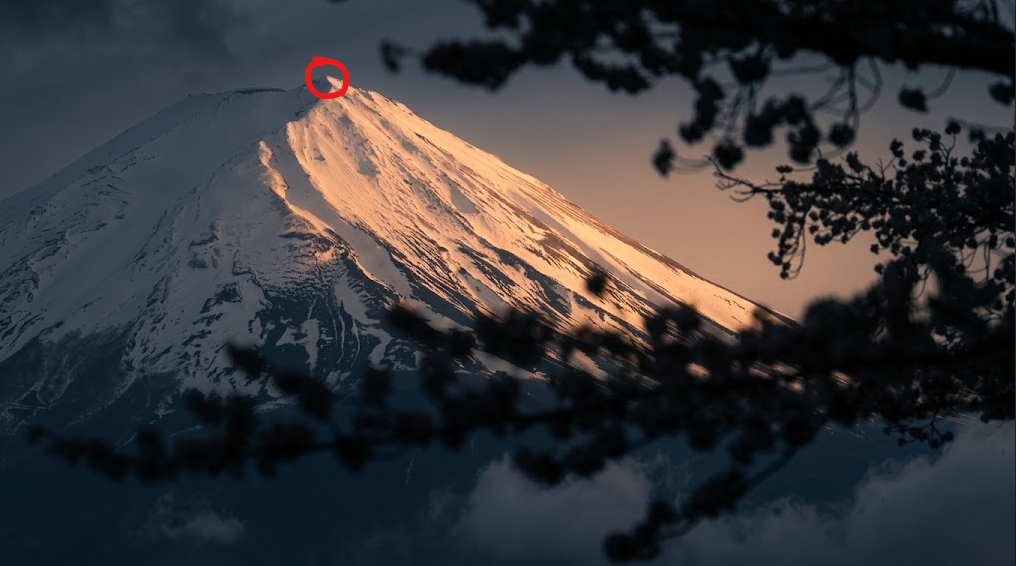
Picture this: the sun is setting, the temperature is plummeting, and a thick, disorienting fog is rolling over the jagged volcanic rocks. Now, imagine a young child trying to navigate this massive, unforgiving landscape entirely alone.
It’s a scenario that sends shivers down the spine of any parent.
When you search for the story of a boy left on Mount Fuji, you are likely tapping into a mix of urban legends, the extreme dangers of Japan’s highest peak, and a very real, world-famous survival story that actually happened a bit further north.
Whether you are planning a hike up Japan’s most iconic volcano or you are just fascinated by extreme survival stories, let’s dive into what makes this mountain so dangerous—and clear up the legendary tale of the boy left behind in the Japanese wilderness.
First, let’s clear up a common internet mix-up. When people talk about a young Japanese boy left behind by his parents in the mountains, they are almost always thinking of Yamato Tanooka.
In 2016, the 7-year-old boy was briefly left in a forest by his parents as a punishment for throwing rocks. When they returned minutes later, he was gone. But this didn’t happen on Mount Fuji; it happened in the dense, bear-inhabited woods of Hokkaido.
Yamato survived for six terrifying days by finding shelter in an abandoned military hut and drinking from a single water tap. He became a global symbol of sheer willpower.
But what if a similar incident did happen on Mount Fuji? Could a child survive? To answer that, we have to look at the brutal reality of the mountain itself.
From afar, Mount Fuji looks like a peaceful, perfectly symmetrical painting. Up close? It is a harsh, volatile environment. Every year, thousands of tourists severely underestimate it.
If a boy were left on Mount Fuji, he would immediately face three deadly enemies:
-
Extreme Temperature Drops: Even in the middle of summer, the summit of Mount Fuji can easily drop below freezing. Hypothermia is one of the leading causes of rescue missions on the mountain.
-
Altitude Sickness: Standing at 3,776 meters (12,388 feet), the air is incredibly thin. Without proper acclimatization, even healthy adults suffer from crushing headaches, nausea, and disorientation. A child’s smaller body would be highly susceptible to lack of oxygen.
-
The Treacherous Terrain: Above the tree line, Fuji is mostly loose volcanic ash and jagged rocks. It’s incredibly easy to slip, and once the fog rolls in, visibility drops to zero.
If a child were to wander off near the base of the mountain, they would likely stumble into the Aokigahara Forest, famously known as the Sea of Trees.
This dense forest grows on hardened lava from Mount Fuji’s last major eruption in 864 AD. The ground is rich in magnetic iron, which has been known to mess with compasses. More importantly, the trees grow so tightly together that it blocks out the wind and most of the sunlight, creating an eerily quiet environment where it is incredibly easy to lose your sense of direction.
Navigating out of Aokigahara without a trail map or GPS is a nightmare for experienced hikers, let alone a lost child.
How to Stay Safe on Japan’s Iconic Peak
Stories of survival always teach us valuable lessons. While the tale of a boy left on Mount Fuji might be a mix of myth and displaced facts, the danger of the mountain is 100% real. If you are planning a trip to hike Fuji during the official summer climbing season, keep these golden rules in mind:
-
Never Hike Alone: Always stick with your group, especially if you are traveling with young ones. The crowds can get massive, and it’s surprisingly easy to get separated in the dark during a sunrise climb.
-
Pack for Winter (Even in August): Bring thermal layers, a high-quality windbreaker, and emergency foil blankets.
-
Stay on the Marked Trails: Mount Fuji has very strict, well-maintained trails. Wandering off the path is not just illegal; it is a recipe for disaster.
-
🚧🚧
The human spirit is remarkably resilient. We saw it with young Yamato in Hokkaido, and we see it in the countless hikers who push their limits on mountains around the world every day.
While a boy left on Mount Fuji sounds like the plot of a Hollywood thriller, it serves as a powerful reminder: nature is breathtaking, but it demands our absolute respect. Whether you are scaling a 12,000-foot volcano or just taking a family walk through the local woods, preparation is your best friend.
What do you think? If you were writing a blog around this, would you want to focus more on the survival tips, or dive deeper into the history and mystery of Mount Fuji?