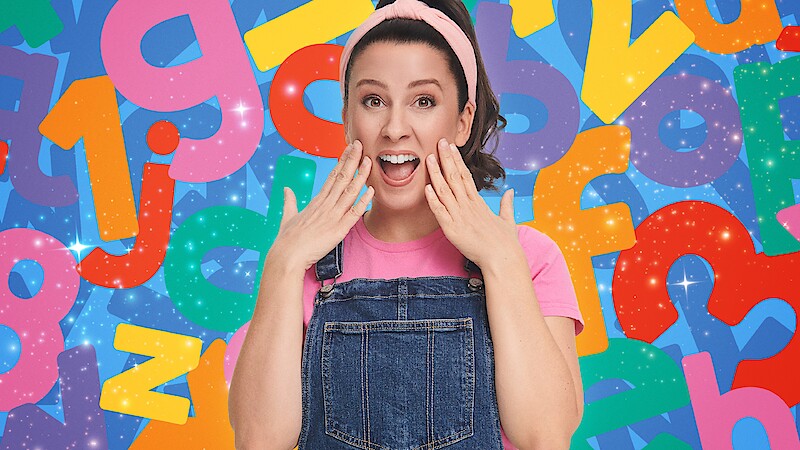
Ms. Rachel has become a familiar name among families looking for entertaining and educational content for young children. Known for her colorful videos, songs, simple language, and interactive teaching style, she creates content designed to encourage early learning and communication skills.
Her videos are particularly focused on babies, toddlers, preschoolers, and young children. The official Ms. Rachel website says that her content is designed with educators and developmental experts and focuses on areas such as communication, social-emotional development, cognitive skills, motor skills, sensory development, and practical life skills.
Who Is Ms. Rachel?
Ms. Rachel is the professional name of Rachel Accurso, an educator and children’s content creator.
According to her official website, Rachel has master’s degrees in early childhood development and music education. Her approach combines songs, games, nursery rhymes, and strategies informed by early-childhood experts.
Her work began with a focus on helping young children learn through playful interaction. Over time, the videos became widely popular online, particularly among families with toddlers and preschool-aged children.
What Makes Ms. Rachel Videos Different?
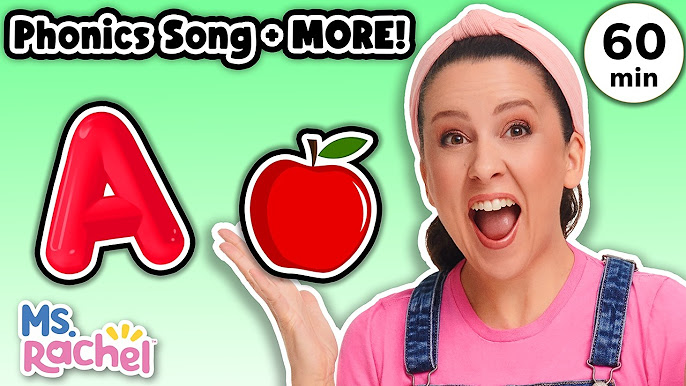
One of the most recognizable elements of Ms. Rachel’s videos is direct interaction with the viewer.
Rather than simply presenting information, the videos often encourage children to repeat sounds, words, movements, and songs. This makes the experience more interactive.
For example, a video may introduce an animal and encourage children to identify it, make its sound, or repeat a related word.
| Learning Area | Examples |
|---|---|
| Communication | Words, sounds, gestures and simple sentences |
| Cognitive Skills | Counting, colors, shapes and basic concepts |
| Motor Skills | Clapping, dancing and movement |
| Social-Emotional Skills | Feelings and interaction |
| Sensory Learning | Music, movement and visual activities |
| Early Literacy | Letters, sounds and vocabulary |
| Life Skills | Everyday routines and practical activities |
Ms. Rachel and Early Language Learning
Language development is one of the major themes in Ms. Rachel’s content.
The videos use repetition, clear pronunciation, gestures, songs, and pauses that encourage children to participate. The official website describes communication as one of the key areas supported by the content.
This approach can make language practice feel more like play than a traditional lesson.
Instead of sitting through a formal classroom activity, children can hear words repeatedly while watching characters, singing songs, and participating in movements.
Songs and Nursery Rhymes
Music is an important part of the Ms. Rachel format.
Her videos use children’s songs and nursery-rhyme-style activities to introduce vocabulary, counting, movement, and other early learning concepts.
The official YouTube channel includes educational videos featuring activities, songs, preschool learning, speech practice, and other content for young children.
Music can also make repetition more enjoyable. A child may hear the same word or concept several times while participating in a familiar song.
Learning Through Movement
Another important feature is movement.
Children are often encouraged to clap, dance, point, imitate actions, or move along with the content. This creates a more active experience than simply watching a video.
Movement can also help connect words with physical actions. For example, children may hear a word while simultaneously seeing and performing an associated movement.
This combination of sound, visuals, and physical activity is a recurring part of the show’s educational approach.
Ms. Rachel for Different Ages
The official Ms. Rachel website organizes learning resources around different stages of early childhood. Its materials include content for babies, toddlers, and preschoolers.
The needs of a very young child can be different from those of a preschooler, so age-appropriate activities can make learning more useful.
| Age Group | Possible Learning Focus |
| Babies | Sounds, gestures, sensory interaction |
| Toddlers | First words, movement, colors and objects |
| Preschoolers | Vocabulary, counting, phonics and concepts |
| Older young learners | Early literacy and more complex learning activities |
Parents and caregivers can choose activities that match a child’s developmental stage rather than expecting every video to work equally well for every age.
Ms. Rachel and Parents
An important part of the Ms. Rachel approach is interaction between children and caregivers.
The official website specifically encourages families to play and learn together and notes that videos are not a replacement for speech therapy.
This is an important distinction. Educational videos can provide ideas and opportunities for practice, but real-world interaction with parents, caregivers, teachers, and other children remains an important part of early development.
A parent can watch alongside a child, repeat words, sing songs, point at objects, and turn the video into an interactive activity.
Educational Toys and Activities
The Ms. Rachel brand has also expanded beyond online videos into educational toys and learning products.
The official website currently includes products designed around communication, cognitive skills, motor development, sensory activities, and social-emotional learning.
Examples include interactive toys, puzzles, learning cards, musical products, and playsets.
These products follow the same general philosophy: learning can happen through play and interaction.
Why Is Ms. Rachel So Popular?
There are several possible reasons for the popularity of Ms. Rachel’s content.
First, the videos are designed specifically for young children. The language is generally simple, the activities are repetitive, and the presentation is highly interactive.
Second, the content covers many familiar childhood topics such as animals, colors, numbers, letters, songs, feelings, and everyday activities.
Third, parents can easily access the videos online, making them convenient as one resource among many for early learning.
Ms. Rachel and Technology
The popularity of Ms. Rachel also demonstrates how technology has changed children’s educational content.
In the past, educational children’s programs were primarily distributed through television, DVDs, books, and physical classroom materials. Today, families can access educational videos through online platforms.
This creates both opportunities and responsibilities.
Digital content can provide useful learning experiences, but parents and caregivers should still consider screen time, age appropriateness, and the importance of offline play and human interaction.
Is Ms. Rachel a Teacher?
Ms. Rachel has an educational background and describes herself as an educator. Her official biography states that she has worked as a toddler teacher and daycare teacher and has experience with schools serving children with different needs.
However, online educational videos should not be viewed as a complete replacement for professional teaching, individualized educational support, or speech therapy.
They are better understood as one additional resource that families can use as part of a broader learning environment.
Final Thoughts
Ms. Rachel has created a distinctive style of children’s educational content that combines music, repetition, movement, language practice, and playful interaction.
Her videos are designed to support early learning areas including communication, cognitive development, motor skills, sensory experiences, and social-emotional learning.
The biggest strength of this approach is its emphasis on making learning feel like play. Children can sing, move, repeat words, recognize objects, and explore simple concepts while participating with a familiar presenter.
For parents and caregivers, the most useful approach is to treat educational videos as a supplement rather than a replacement for real interaction. Watching together, talking, singing, playing, and responding to a child’s interests can turn screen-based content into a more interactive learning experience.
Ms. Rachel’s popularity shows that children’s education does not always have to look like a traditional lesson. Sometimes, learning can begin with a song, a simple question, and an invitation to play.